File Type Changer Online Free
Using a free file converter, you will speedily change pictures to the right format and size—ideal for sharing, websites, or social platforms. Just upload your files, pick your desired output format (such as JPEG, PNG, or GIF), and download the output in seconds. These services handle multiple file conversions, minimize image sizes to reduce file size, and maintain data security. You don't require any specialized knowledge, and you'll meet different platform requirements with ease. Stay tuned to learn about features, privacy tips, and more.
Main Insights
The Importance of Fast Image Conversion
Whether you're revise a website, transfer files to customers, or create images for social media, fast image conversion saves your time and effort. You need to get your images match the proper format, and often, the appropriate size. Reducing file size is crucial—compressed images enhance online performance, minimize storage requirements, and make sharing easier. If you're handling multiple images, batch processing becomes indispensable. Rather than converting files separately, batch processing lets you transform entire folders quickly and efficiently. This efficiency is vital in professional workflows where time is valuable. Rapid image conversion ensures your files are compatible with various platforms and devices, enhancing productivity and maintaining quality, all while meeting specific requirements for size and format.
Essential Elements of a Premium File Conversion Tool
When picking a high-quality file converter, you need to consider features that enhance your productivity and guarantee reliable results. Optimal file compression is essential, helping you to reduce file sizes without sacrificing image quality. This conserves storage space and makes file transfers quicker. Another key feature is batch processing—managing multiple files in parallel boosts productivity and removes repetitive tasks. Search for converters with a user-friendly interface, so you can efficiently manage options and settings. Quick conversion guarantees you're not waiting around, even with large files. Furthermore, comprehensive security measures protect your data during conversion. Dependable functionality, reduced issues, and regular upgrades complete the essentials. These features make certain your file conversion process is smooth, productive, and uniformly superior.
Supported Image Formats: A Detailed Overview
When working with a free file converter, you'll typically encounter common image file types such as JPEG, PNG, GIF, and BMP. It's essential to recognize the variance between lossless formats that retain image quality, and lossy formats that compress files by removing certain information. This insight enables you to pick the ideal format for your purposes, whether you want reduced file sizes or highest image fidelity.
Popular Image Formats
Want to know about the many image formats you might use? You'll come across various widely-used types when working with images. JPEGs are commonly used for photos due to compact file sizes and universal compatibility. PNGs are perfect for maintaining transparency and detail, perfect for graphics with precise details. For vector graphics—images that scale smoothly without loss of detail—SVG is your best choice. For creating animated images, GIFs are commonly used, however they offer basic color options. BMP files are spacious and uncompressed, but specific applications need them. TIFF delivers flexibility and supports layering, favored in publishing and design. WebP optimizes quality and size, becoming prevalent for web content. Understanding these formats helps you select the right choice for your purposes and ensures efficient, rapid conversions.
Comparing Lossless and Lossy File Formats
Ever pondered why particular image files are crystal clear but substantial, while others are small yet somewhat fuzzy? It all comes down to compression techniques. Lossless formats, like PNG and TIFF, retain every detail by condensing data without discarding any information. You get perfect quality, but the file size stays substantial. Compressed formats, including JPEG, employ aggressive compression approaches to shrink file sizes considerably by eliminating less noticeable details. This renders images easier to transfer and save, but you'll observe small quality reduction, especially after repeated edits or conversions.
When selecting between lossy and lossless options, consider your needs regarding compression and fidelity. Moreover, consider format compatibility—various devices and platforms are limited to specific formats, which may affect your decision.
Simple Steps to Use the Converter
First upload your image directly to the platform. After that, choose your desired output format from the offered options. When processing completes, you can download the new image immediately.
Uploading Your Image File
Want to get started? Start by clicking the "Upload" button on the converter's main screen. You'll be prompted to browse for your image file from your computer. Ensure you know where your file is saved for quick access. Before proceeding, confirm your image quality and file size—high-quality images and heavier files may take additional time to upload, based on your internet speed. Most converters handle common formats like JPG, PNG, or GIF, but ensure your file type is supported. Once you identify your file, the upload transfer will start automatically. You'll observe a progress bar revealing the upload status. Avoid closing the tab during this phase. After the upload, you're prepared to advance to the next step in the conversion process.
Selecting Your Output Format
When your image finishes uploading, you'll need to choose your preferred output format from the available formats available in the converter. Selecting the right format is a vital step, as it establishes how your image will be preserved and applied afterwards. Most conversion tools offer typical formats such as JPG, PNG, GIF, BMP, and TIFF, enabling you to pick the format that matches your requirements. Use the dropdown menu to choose your format—various programs even display quick explanations of the file types to assist your decision.
According to the converter, you might also find output customization options. These allow you to configure settings such as visual quality, compression ratio, or color profile before converting. Choose carefully these options to guarantee your converted image meets your exact needs. Double-check your options before continuing.
Getting Your Converted Image
Ready to save your transformed image? After the conversion is complete, you'll see a prominent download button or link. Simply click to download the converted file on your system. If you utilized file compression or image resizing, the saved image will reflect those changes—optimized for file size or dimensions as specified. Your converted image usually downloads to the default folder; check there if you can't locate the file.
To ensure safety, make sure the download process is complete before exiting the converter page. If you converted multiple images, you could receive a ZIP file that includes all converted files. Extract these files using standard file management tools. Keep in mind the quality of file compression and image resizing influences your downloaded picture's clarity and functionality, so verify the results before sharing or printing.
Contrasting Premium and Free Image Format Converters
While evaluating image conversion tools, you'll find notable differences between free and paid solutions. Free solutions generally offer an elementary user interface that's easy to use but might not include advanced features or customization options. You might encounter promotional content or upload limitations, which can slow your work process. Premium options usually provide an enhanced user interface, supporting batch conversions, enhanced resolution exports, and expanded format support.
Customer support stands out as a key differentiator. Free converters usually don't offer personalized assistance; if difficulties occur, you'll typically depend on community forums or help guides. On the other hand, paid solutions commonly come with dedicated assistance, helping you address issues promptly. Ultimately, your decision is based on your specific requirements—if you prioritize convenience, advanced capabilities, and help, choosing a paid solution could be beneficial.
Protecting Your Privacy During File Conversion
Although free file converters provide convenience, it's crucial to assess how they process your data during the conversion process. When you transfer images to a converter, you're relying on the platform with potentially sensitive data. Ensure the service uses strong encryption protocols for both data transmission and storage. Strong encryption protects your files from interception. Before transferring, review the service's user privacy policies to understand how your data is managed. Trustworthy converters should specify whether they store, share, or erase your files after processing. If you don't observe transparent privacy policies, reconsider using that service. Implementing these security steps helps you protect your personal details and confirms that your converted images stay protected throughout the operation. Consistently prioritize security over convenience.
Essential Strategies for Optimizing Processed Graphics
To achieve optimal image output that's both high-quality and space-efficient, focus on optimizing settings before saving. Start by selecting the right image resolution—increased resolution delivers sharper details but enlarges file size. For web applications, choose a moderate resolution to achieve the right mix of clarity and loading speed. Next, modify color depth based on your requirements. Reduced color depth shrinks file size but could impact gradients and subtle tones, while higher color depth maintains color fidelity at the expense of larger files. Always preview your output to verify visual quality meets your expectations. In conclusion, pick the most suitable format (JPEG, PNG, or WebP) for your intended application. These steps ensure your converted images are optimized for quality and size for any application.
FAQ Section
How Many Files Can I Convert Each Day?
With regard to file conversions, you don't want to bite off more than you can chew. You must keep an eye on conversion limits, because many platforms implement daily usage restrictions to maintain equitable usage and maintain performance. These outlined here daily limits usually cap the number of files, total size, or conversion requests you can make. Make sure to check the service's specific guidelines so you don't hit a wall during your conversion tasks.
Does the Converter Work on Phones and Tablets?
You can use the converter on your mobile device, because of its mobile compatibility. The mobile-optimized interface guarantees efficient functionality on different devices, so you won't encounter substantial device restrictions. Just open the converter using your mobile browser, choose your files, and begin converting. It's not necessary to download additional software, making the conversion simple and easy to use. Simply verify your device has a reliable internet connection for ideal results.
Do You Need an Internet Connection to Use This Tool?
Much like how a vehicle won't start without gas, this tool depends on an internet connection to function. You cannot use it offline, so internet connectivity is crucial for handling uploads, processing files, and obtaining results. Should you lose internet access while using it, your conversion might fail or remain incomplete. Keeping your connection active is essential throughout the entire process to ensure smooth performance and successful file conversion all the time.
Are Watermarks Added to Converted Images?
During image conversion, you usually need to guarantee there's no watermark added to your files. Quality conversion services emphasize watermark removal, meaning your processed images maintain high visual quality. There's no need to stress over unnecessary markings or logos impacting your visuals. Make sure to review the tool's policy, but you'll typically get high-quality output that maintain your original content. If maintaining image quality matters, you're in good hands on trusted conversion tools.
How Should I Report Issues or Propose New Features?
When you experience an issue or wish to suggest a new feature, you need to use the feedback form commonly located in the app's help menu. This is the place where you can explain any issues or send feature requests. Remember to include specific details, so the development team can resolve your problems promptly. Your feedback contributes to improving the service and guarantees that new features align with users' needs.
Conclusion
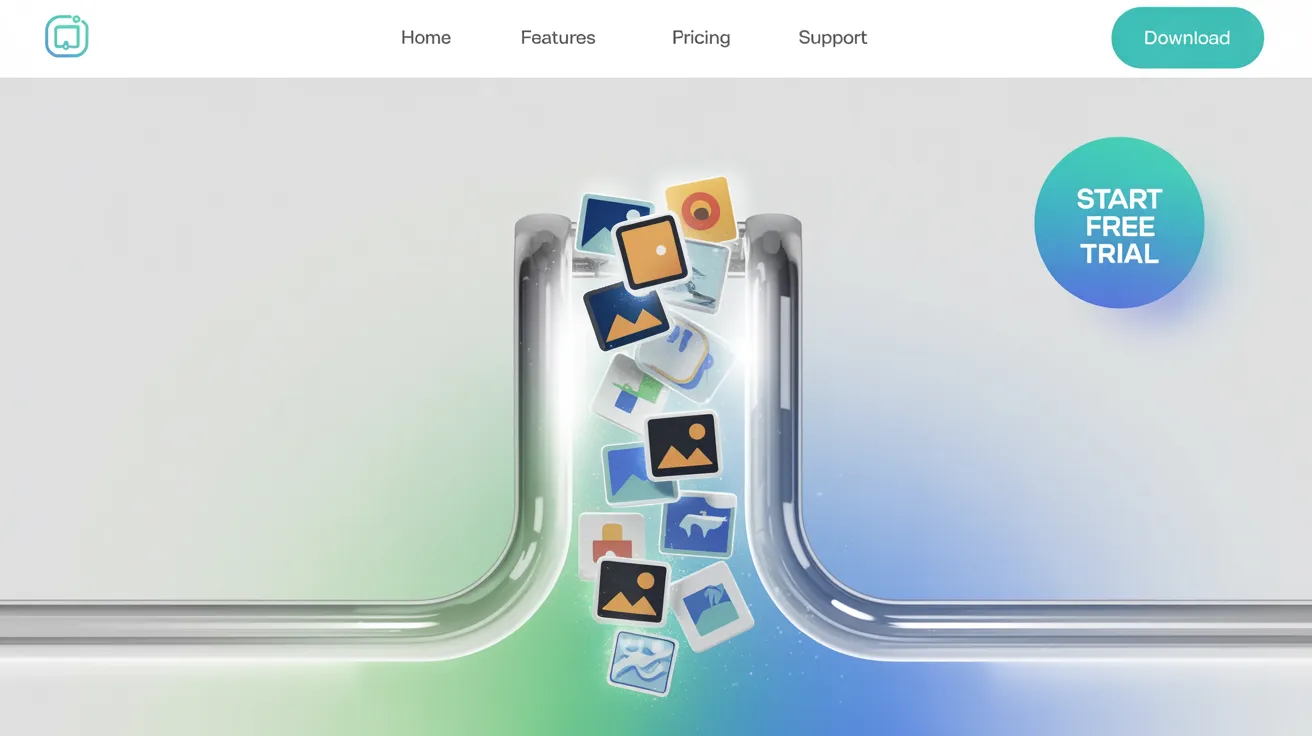
Think of a file converter as a connection, transferring your images from one format to another—quickly, reliably, and smoothly. With the proper tool, you're not just converting formats; you're unveiling new possibilities and clearer communication. By picking a trustworthy, protected converter and fine-tuning your files, you preserve your digital world organized and effective. Move forward across that connection—your images will emerge refined and set for future use. Your workflow deserves nothing less.